Types of Collagen: I, II, III, Marine, Hydrolysed and Peptides
The collagen types explained: which is in skin, which is in cartilage, how marine and bovine differ, and what hydrolysed and peptides mean on a label.
Read →Collagen is the most abundant protein in your body and the scaffold that skin, bone and cartilage are built on. Production drops from your twenties onward. Supplements aim to top it up — but the word covers several types at wildly different doses, and picking the wrong one is the mistake almost everyone makes first.

Collagen is a fibrous protein that makes up roughly a third of the protein in the human body. It is what gives tissue tensile strength: skin its resilience, tendon its pull, cartilage its ability to take load without tearing. There are at least 28 known types, but three account for almost all of it and only two are sold in any quantity.
Your body makes its own from amino acids, using vitamin C as a cofactor. Production begins falling in your twenties and drops by roughly one per cent a year past forty. Smoking, sun exposure, heavy physical work, intensive sport and a diet short on protein all accelerate it. None of that is a disease — it is ordinary ageing, and it is the gap supplements are sold into.
The collagen types explained: which is in skin, which is in cartilage, how marine and bovine differ, and what hydrolysed and peptides mean on a label.
Read →Most people buying collagen in Nigeria want it for skin. Joints need a different type at a different dose — here is how to tell which product you are holding.
Read →What collagen costs in Nigeria and why the sticker price misleads: how to compare powder, tablets and capsules on grams per day, and the arithmetic that reorders most shelves.
Read →What collagen supplements actually do and do not cause, who should check with a pharmacist first, when to take it and what a reasonable trial period looks like.
Read →
FlexiCore is a joint product, not a beauty product. It uses collagen type II — the cartilage type — alongside glucosamine, chondroitin and hyaluronic acid, which is the pattern joint formulas are built from.
If your reason for reading about collagen is your skin, FlexiCore is not what you want and we will not pretend otherwise — this page explains what to look for instead. If it is your knees, back, neck or hands, then the type is right, and the type II page covers the evidence in detail.
A structural protein — the most abundant in the body. It forms the scaffold of skin, bone, tendon, ligament and cartilage. Production falls from your twenties onward, which is why supplements exist.
It depends what you want it for. Skin needs type I hydrolysed peptides at several grams a day; joints need type II. Buying the wrong type is the most common and most expensive collagen mistake.
Trials assess at eight to twelve weeks for both skin and joints. Anything you notice in the first week is not the collagen.
It is well tolerated in trials, with mild digestive effects the most common report. The cautions that matter usually attach to the other ingredients in a formula rather than to the collagen itself.
Your body builds collagen from amino acids in any adequate protein intake, helped by vitamin C. Bone broth and skin-on fish contribute directly. Supplements are a concentrated, convenient route rather than the only one.
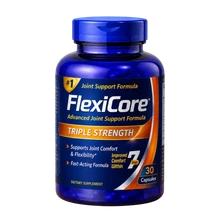
30 capsules per pack · pay the courier on delivery · we call to confirm before dispatch.